Ever notice how some images look wide and cinematic, while others are tall and perfect for your phone screen? That’s all down to the aspect ratio – the silent architect of how we perceive visual content. Think of it as the fundamental shape of your image, expressed as a ratio of its width to its height.
For example, you’ve probably heard of 16:9. This is the commonly known widescreen format that dominates many of our TVs and computer monitors, giving that expansive, movie-like feel. The ‘16’ represents the width, and the ‘9’ represents the height.
Now, here’s a crucial point: the aspect ratio doesn’t tell you anything about the actual size of the image. A 16:9 ratio could be a small thumbnail on a website or a massive projection at an event. The numbers only describe the proportion – the relationship between the width and the height.
To really grasp this, let’s dive into some common aspect ratios and see how they shape our visuals:
The Shapes of Our Screens and Stories
Visual Examples and Common Uses
- 1:1 (Square):
- Typical Dimensions & Uses: Often seen on Instagram posts, profile pictures, and in some forms of art and design. It offers a sense of balance and symmetry. Historically significant in medium format photography.

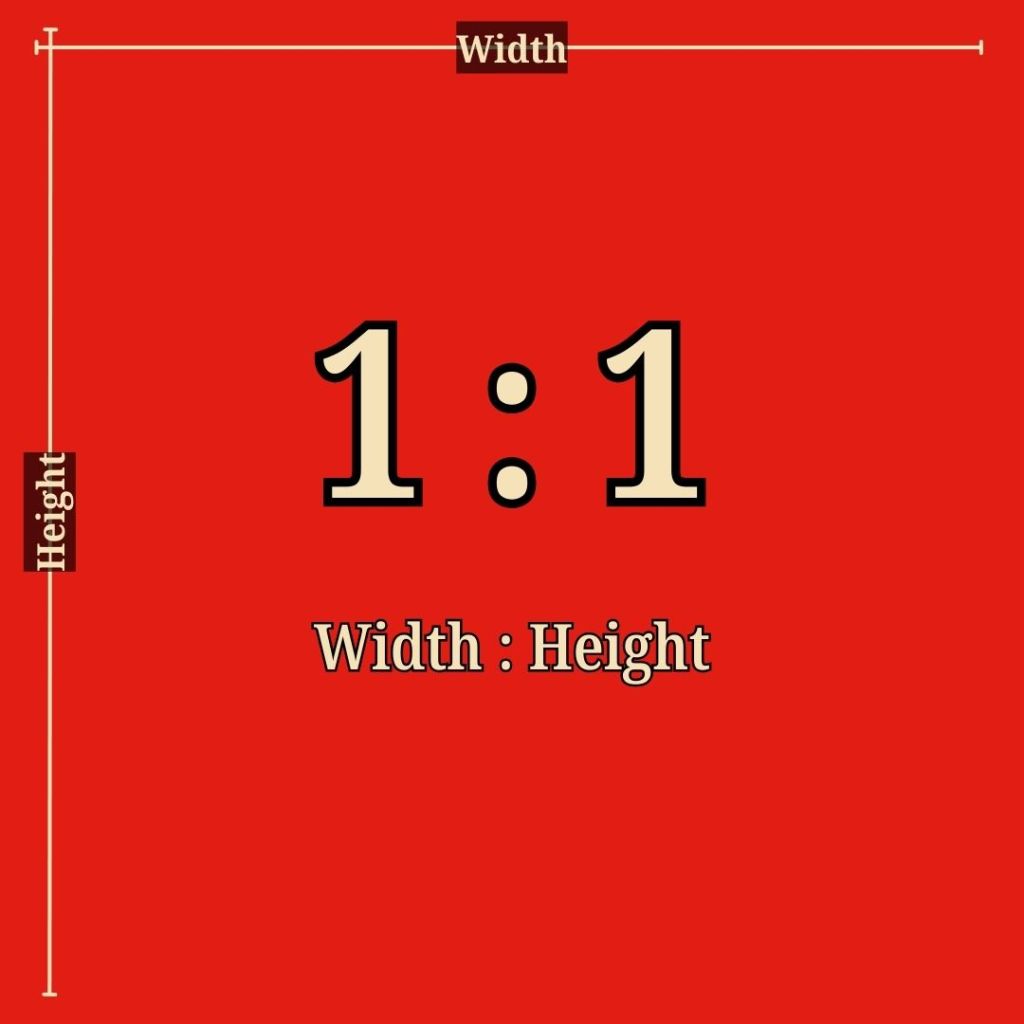
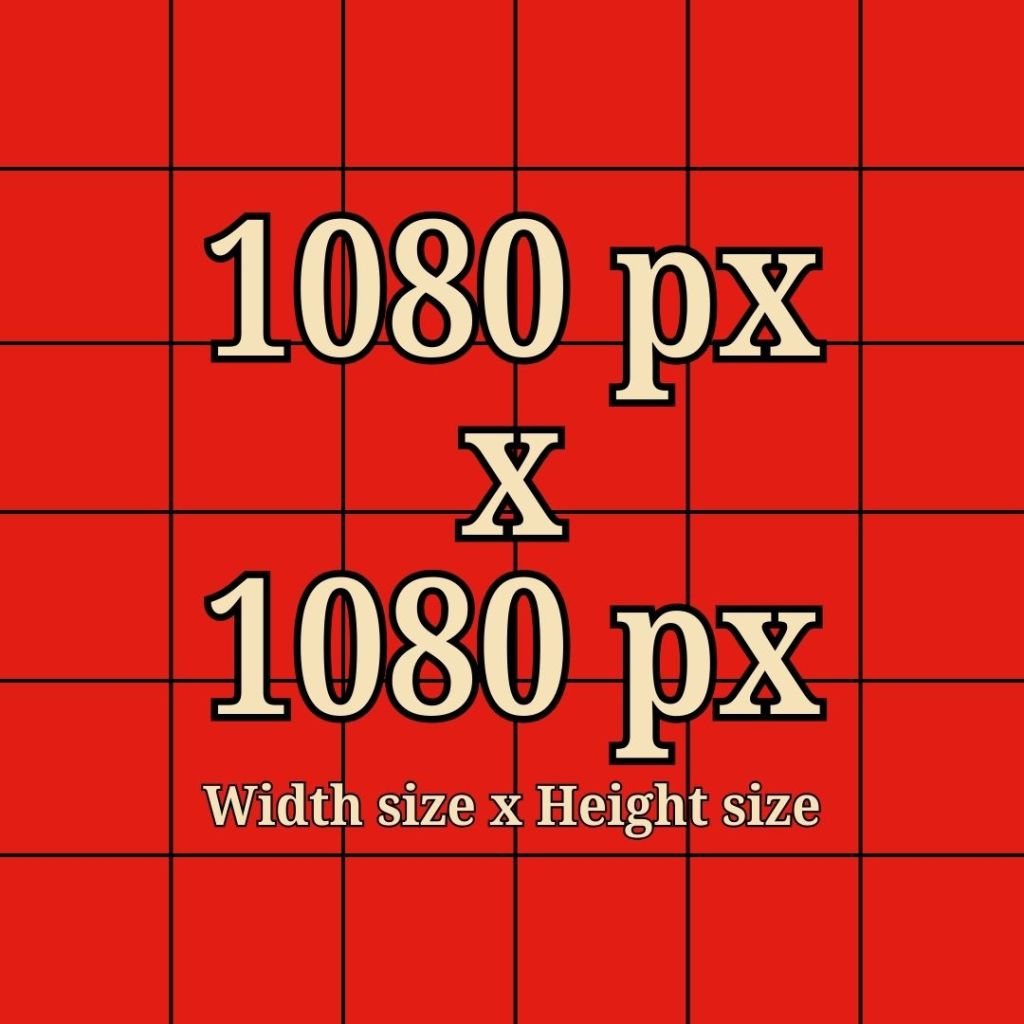
- 4:3:
- Typical Dimensions & Uses: A standard for older television screens and some digital camera sensors. It provides a comfortable balance for many subjects.

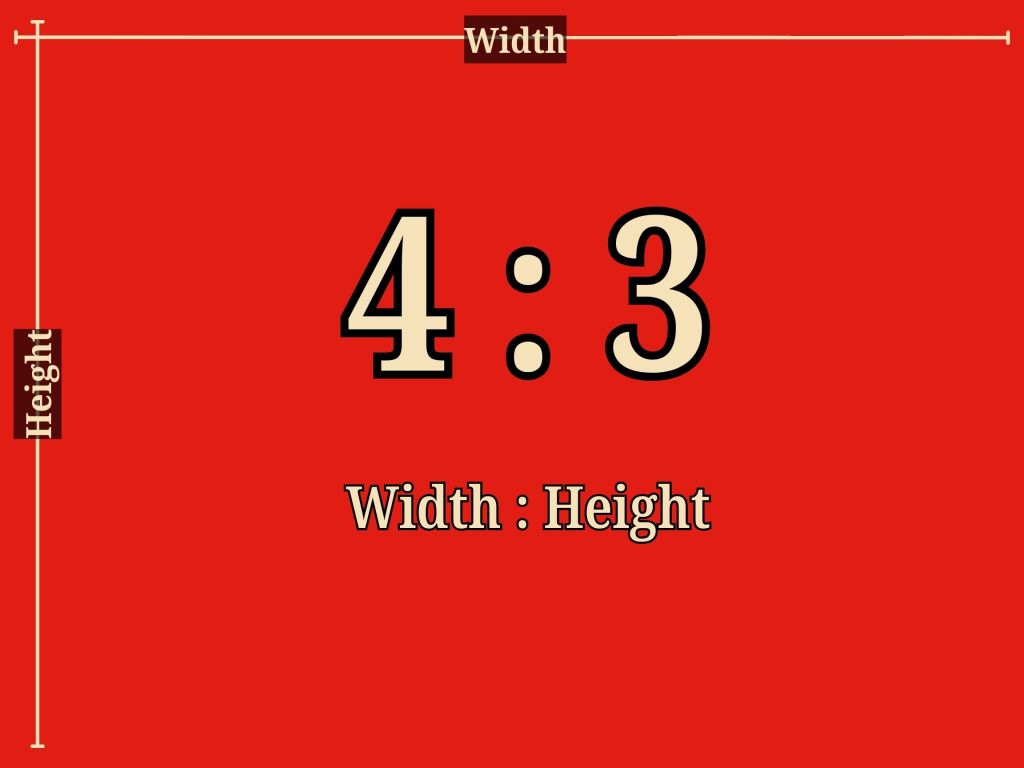


Additional Resoultions – 1024×768, 1600×1200, 2560×1920, 960×720
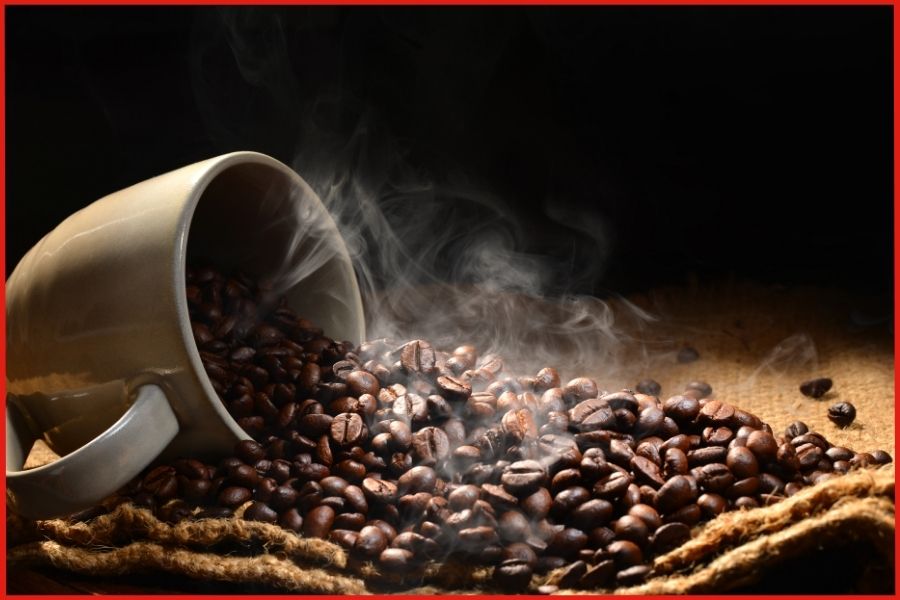
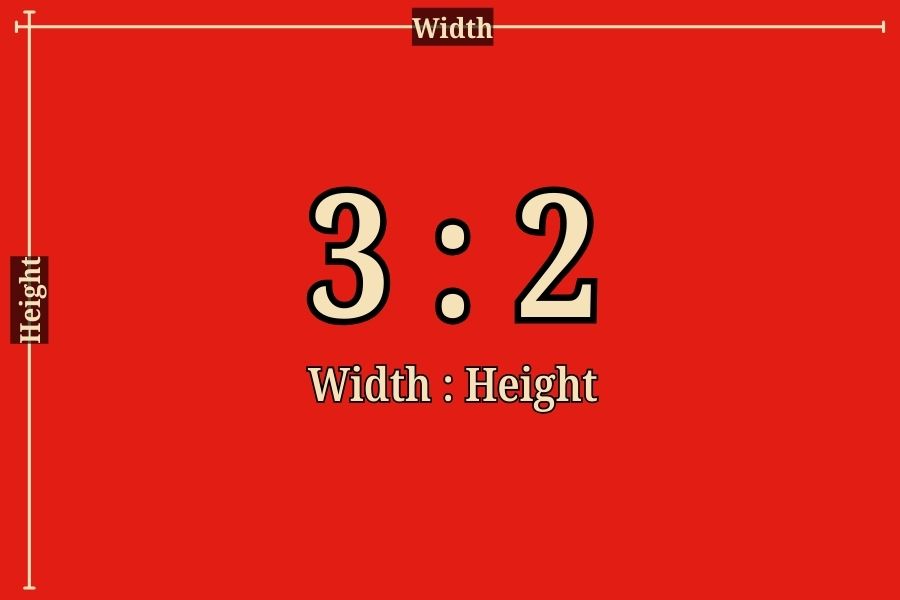
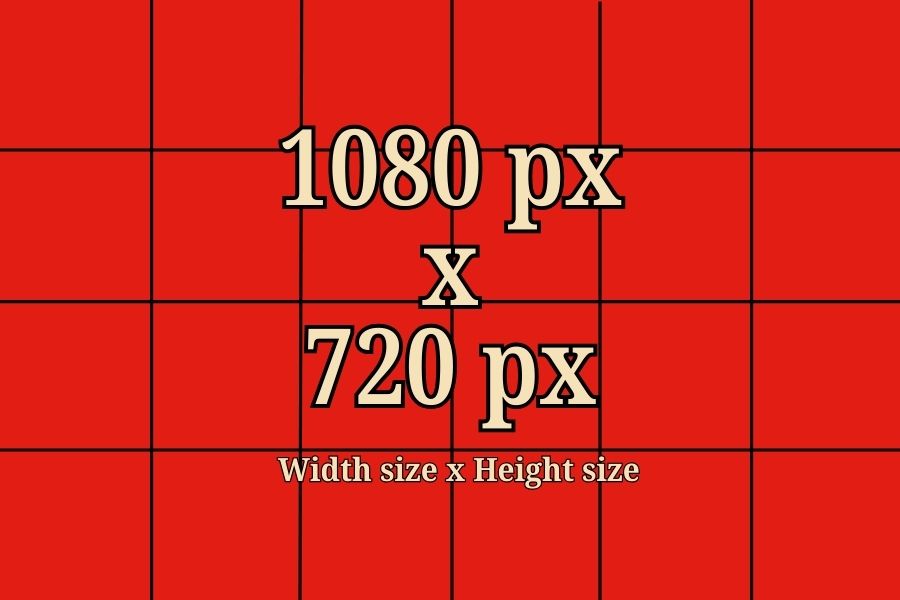
- 3:2:
- Typical Dimensions & Uses: Common in DSLR and mirrorless cameras, mirroring the proportions of 35mm film. It’s versatile for both landscapes and portraits.
- 16:9 (Widescreen):
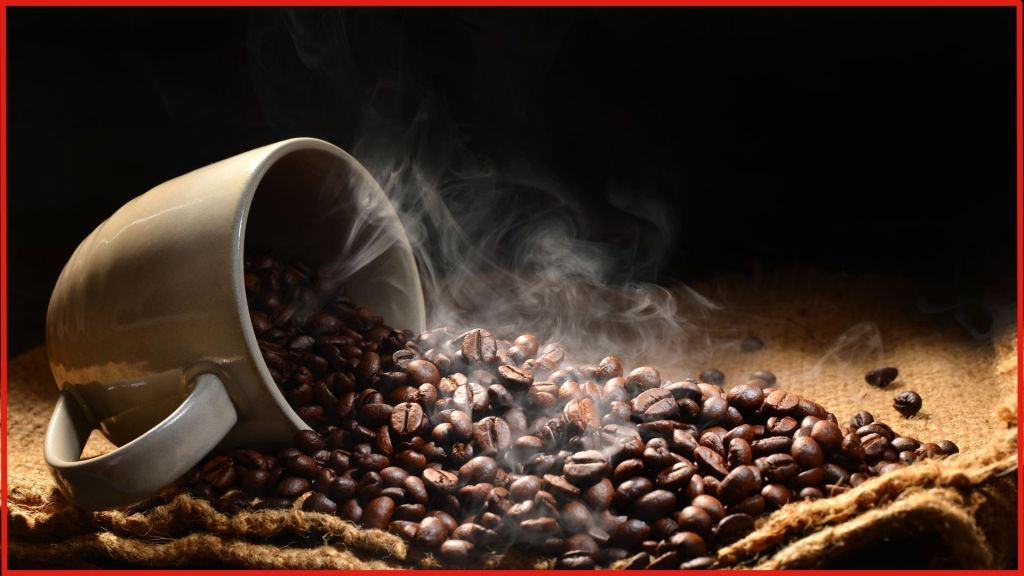
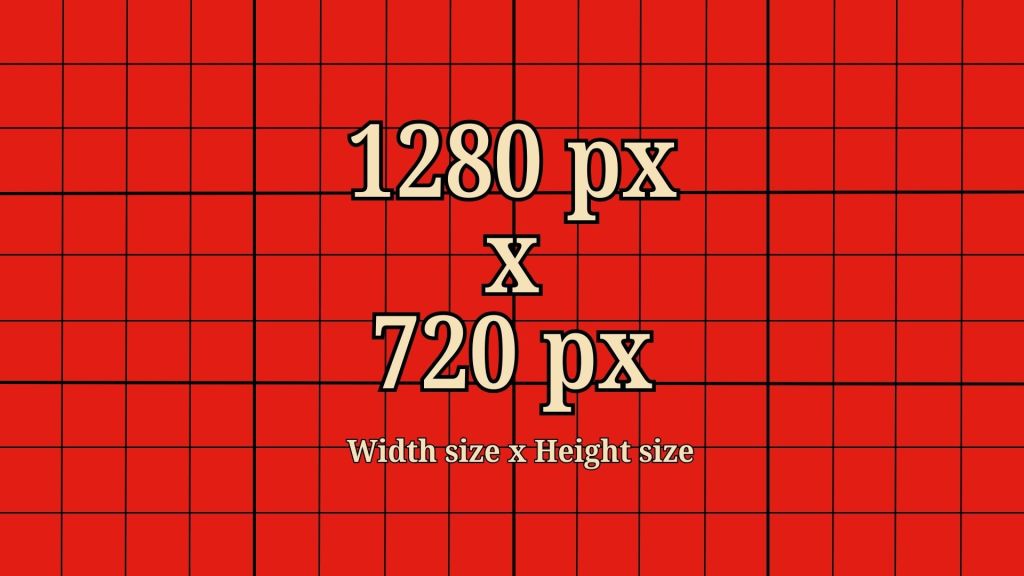
- Typical Dimensions & Uses: The standard for modern TVs, computer monitors, and video content. It offers an immersive viewing experience.

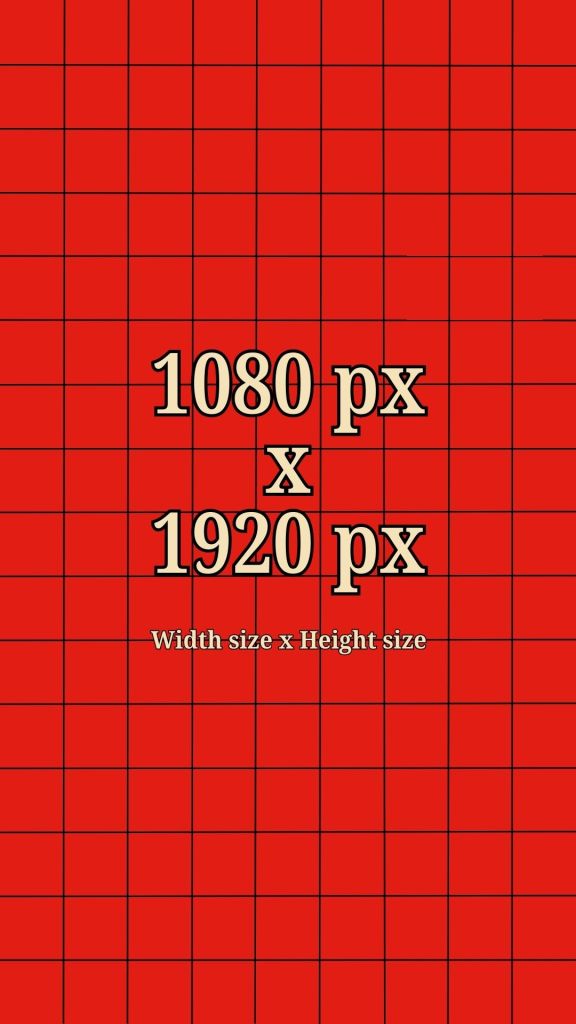
- 9:16 (Vertical/Portrait):
- Typical Dimensions & Uses: Optimized for viewing on smartphones, ideal for social media stories and vertical video content.


Beyond the more common ratios, you’ll encounter others that serve specific purposes.
- The expansive 21:9 (ultrawide) format truly pulls you into the scene, offering a wider field of view that’s favored for immersive cinematic experiences and some video games.
- On the other hand, the 5:4 ratio leans towards a more traditional and formal aesthetic, often finding its place in fine art prints and portraiture, providing a slightly taller and more substantial feel than a square.
Understanding these less common ratios can open up new creative possibilities depending on the story you want to tell.
Final Thoughts
So, as you navigate the world of visual storytelling, remember that aspect ratio is more than just numbers – it’s a fundamental element that shapes perception and guides the viewer’s eye. While your camera might offer in-camera cropping, embracing post-production adjustments provides greater creative freedom. Keep the final aspect ratio in mind as you compose your shots, but allow the flexibility of your editing software to fine-tune the dimensions.
One crucial thing to keep in mind, especially if you’re working with JPEGs, is the permanence of in-camera cropping. Choosing a non-native aspect ratio in-camera with a JPEG will mean those pixels are gone for good. Shooting in RAW offers a safety net, preserving all the original data and allowing you to experiment with different aspect ratios without sacrificing image quality. Consider this carefully as you develop your workflow.
Ultimately, understanding and intentionally using aspect ratios will elevate your photography, digital media, and social content, ensuring your visuals resonate exactly as you envision.
Written By: Samra Michael
Please Note: All images used in this blog post are the property of Samra, The Curator LLC and may not be used without explicit permission.
 Samra, The Curator
Leave a comment